Zone 9 buyers face hot summers and mild winters, so selecting the right shade trees is essential for cooling landscapes, supporting drought tolerance, and maintaining long-term curb appeal. The following selections are tailored for Zone 9 conditions, offering a mix of drought tolerance, rapid shade, and adaptable soil needs. Each product profile includes practical care notes and how it fits a Zone 9 garden or yard.
| Product | Key Benefit | Ideal For |
|---|---|---|
| American Red Maple | Seasonal color with reliable shade | Medium-to-large yards |
| Nuttall Oak | Strong drought tolerance and acorns | Naturalized landscapes |
| Drought-tolerant once established | Low-water landscaping | |
| Weeping Willow | Fast canopy growth, ornamental habit | Moist soils, prominent focal trees |
| Southern Magnolia | Fragrant blooms, classic evergreen shade | Southern-style landscapes |
American Red Maple Shade Tree
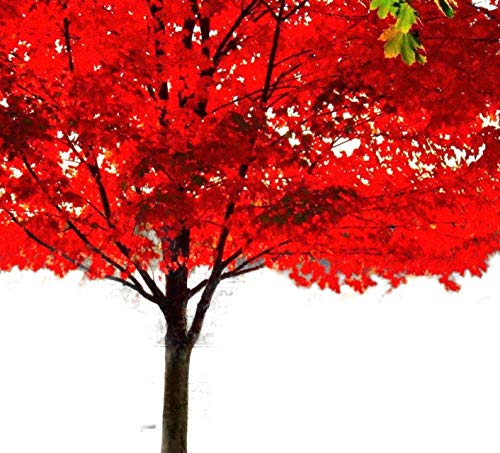
The American Red Maple is a deciduous shade tree valued for its broad canopy and dependable performance across a range of soils. This specimen is described as suitable for zones 3 through 9 with full sun, making it a solid option for Zone 9 landscapes that want a tree with strong summer shade and added seasonal interest when fall color arrives. Planting guidance notes emphasize preparing the site and following arrival instructions for successful establishment. The plant can contribute to cooling outdoor spaces while enhancing curb appeal with its classic silhouette.
Key considerations: ensure adequate spacing for a mature canopy, provide ample water during establishment, and select a planting site with full sun for best growth. While the listing notes California restrictions for shipping, the plant remains a versatile choice for many Zone 9 regions that can accommodate mature shade trees with modest maintenance requirements.
Nuttall Oak Tree

The Nuttall Oak is a deciduous shade tree known for rapid growth and vibrant fall foliage, making it a robust option for Zone 9 landscapes seeking quick shade and a striking seasonal display. It prefers well-drained, loamy soils with a slightly acidic to neutral pH for optimal growth. The 2-3 ft nursery size indicates a garden-ready start that can establish relatively quickly with consistent watering, especially during dry periods. Like many large shade trees, plan for a spacious planting site to accommodate eventual height and spread.
Considerations include watering during drought periods and monitoring soil drainage to prevent root stress. This oak can be a durable foundation tree for larger yards or commercial properties, contributing to long-term shade and ecological value through acorn production and wildlife support.
Chinese Pistache (3-4 ft)

The Chinese Pistache is highlighted for drought tolerance once established, a key feature for Zone 9 landscapes that aim to reduce irrigation while preserving healthy shade. This 3-4 ft tree prefers full sun and well-drained soil, with adaptability to a variety of soil types. Regular watering is advised during dry spells to support root establishment and canopy expansion. Pruning is recommended in late winter to early spring to maintain structure and remove dead or undesirable branches. This species provides a resilient, medium-to-large canopy as it matures, contributing to cooling shade and landscape diversity.
D. D. Blanchard Southern Magnolia

The D. D. Blanchard Southern Magnolia is a classic evergreen shade tree known for its large, fragrant white flowers and substantial canopy. While mature height and spread can be significant (often reaching 50-60 feet tall with a broad spread), young trees adapt well to Zone 9 landscapes with proper irrigation and sun exposure. The plant description notes that California and certain other states restrict shipment, but within compliant regions it provides year-round foliage and floral interest that complements warm-season gardening. Soil should be well-drained, and mulching helps conserve moisture in hot summers.
Weeping Willow (7 Gal)

The Weeping Willow is a fast-growing deciduous shade tree with a distinctive cascading canopy. In Zone 9, this cultivar typically thrives in moist, well-drained soils and can adapt to a range of soil types. The mature appearance offers dramatic vertical interest, which can serve as a focal point in larger landscapes or near water features. Given its rapid growth, ongoing pruning may be necessary to maintain balance and prevent overextension of branches in confined spaces. Shipping restrictions apply to certain states, so confirm eligibility before ordering.
Buying Guide — Shade Trees For Zone 9: Key Purchase Considerations
- Climate compatibility: Choose species with proven tolerance to heat, drought, and occasional cold snaps typical of Zone 9 summers.
- Soil and drainage: Ensure soil drains well to prevent root rot; amendments (organic matter, sand, or loam) may be necessary depending on your site.
- Watering and establishment: Most trees require extra water in the first growing season; plan an irrigation strategy that supports deep root development.
- Sun exposure: Most listed trees prefer full sun; assess your property’s sun pattern to determine the best planting spot.
- Mature size and space: Consider canopy width and root spread to avoid conflicts with structures, sidewalks, or utilities.
- Maintenance needs: Some trees may require regular pruning, mulch management, or pest monitoring; align with your yard care routine.
- Wildlife and ecological value: Species like oaks contribute to wildlife habitats; consider biodiversity goals when selecting a tree.
- Regulatory considerations: Some listings indicate restricted shipping regions; verify eligibility to avoid order cancellations.
- Growth rate and timing: Faster-growing trees provide quicker shade but may require more frequent pruning and care.
Zone 9 landscapes benefit from a mix of evergreen and deciduous shade trees, enabling both seasonal interest and year-round cooling. When selecting among options, balance immediate shade with long-term maintenance, water needs, and space availability. The trees listed above cover a spectrum of growth habits, from rapid canopy development to fragrant, ornamental varieties, helping homeowners build a resilient, aesthetically pleasing yard in warm climates.