Discover the best raw peanuts for planting and easy home gardening. This guide highlights practical seed options and raw peanuts that gardeners can use for sprouting, growing, and homemade peanut crops. Each product profile includes how it performs as a planting seed, plus suitability for roasting, cooking, or wildlife feeding where relevant. Explore options from trusted brands and US-grown varieties to help your peanut patch thrive.
| Product | Type | Best Use | Notes |
|---|---|---|---|
| Isla’s Garden Seeds – Spanish Peanut Seeds | Non-GMO seeds | Garden planting | Reliable start to harvest; detailed instructions included |
| Isla’s Garden Seeds – Wild Jungle Peanut Seeds | Non-GMO seeds | Garden planting | Ancient Amazonian variety; rich flavor potential |
| Naturalee Peanuts In Shell | Raw in-shell peanuts | Planting potential / wildlife use | USA grown; natural and unsalted |
| Rani Peanuts – Raw With Skin | Raw peanuts with red skin | Planting potential / cooking | Fresh USA product; unsalted and non-GMO |
| Spicy World – Raw Whole With Skin | Raw peanuts with skin | Planting potential / cooking | USA grown; large 4 lb bag |
Isla’s Garden Seeds Spanish Peanut Seeds

Spanish Peanut Seeds from Isla’s Garden Seeds offer a compact, heirloom variety ideal for home gardening. These non-GMO seeds produce small, high-oil nuts that are perfect for roasting, snacking, and making homemade peanut butter. Each pack includes clear planting instructions to guide sowing and harvest, with a focus on reliable germination and a productive, easy-to-grow crop. The variety is prized for a traditional peanut flavor and good yield potential in warm climates.
Isla’s Garden Seeds Wild Jungle Peanut Seeds

Wild Jungle Peanut Seeds provide a distinctive Amazonian heritage in a 20-pack of heirloom seeds. Known for deep flavor and robust growth, these seeds are suited for gardeners seeking a productive, flavorful peanut crop. Instructions accompany the seeds to guide sowing in full sun, with emphasis on loose, well-drained soil and warm soil temperatures. This variety is popular among culinary-minded gardeners looking to harvest peanuts for fresh eating or kitchen uses.
Naturalee Peanuts In Shell 2 Lbs

Naturalee Peanuts in shell offer a natural, unsalted option suitable for planting or wildlife feeding. The product is marketed as a USA-grown, gluten-free, and vegan-friendly snack, presenting a potential seed source for gardeners who opt to save seeds from in-shell peanuts. While primarily sold for snacking, some gardeners use raw, in-shell peanuts as a planting option when intended as seed stock, provided proper drying and storage practices are followed before planting.
Hines Nuts Company Raw In Shell Peanuts

Hines Raw In Shell Peanuts are sold in an 16-ounce bag and are described as safe for human consumption when cooked. They are in-shell peanuts, suitable for boiling or cooking. Gardeners who intend to use these as seed stock should verify germination suitability and consider whether the shell conditions and drying process will support successful sprouting. The product emphasizes versatility for cooking and wildlife contexts as well.
Spicy World Raw Peanuts With Skin
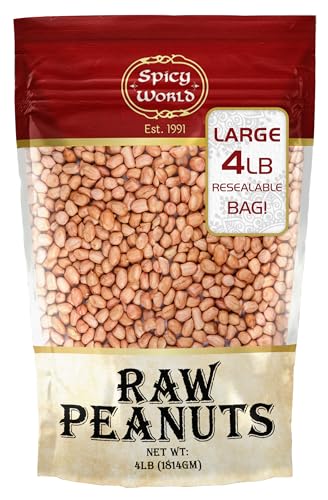
Spicy World Raw Peanuts come in a large 4-pound bag, grown in the USA with red skins intact. These raw, unsalted peanuts are suitable for roasting, cooking, or as a potential seed stock for gardeners interested in experimenting with fresh peanut crops. The product highlights the American origin and large bag size, making it a practical option for households with long-term peanut growing or frequent cooking needs. Before planting, ensure seeds are truly intended for propagation and prepared to promote germination when used as seed stock.
Buying Guide: Key Considerations For Raw Peanuts And Planting
- Seed quality and variety: Choose peanut seeds labeled for planting if possible. Heirloom and non-GMO varieties can offer reliable germination and flavorful yields. Consider climate suitability and growth habit (standalone plants vs. sprawling vines).
- Freshness and storage: Fresh, properly stored seeds germinate best. Peanut seeds should be kept in a cool, dry place to maintain viability before planting. In-shell peanuts used for planting should be dried and stored to prevent mold.
- Germination conditions: Peanuts favor warm soil (typically around 70°F or higher), full sun, and well-draining soil. Prepare raised beds or mounded rows to improve drainage and aeration.
- Soil preparation: Amend soil with organic matter to improve drainage and nutrient availability. A balanced fertilizer regimen can support initial growth, but avoid excessive nitrogen which can reduce pod formation.
- Planting depth and spacing: Plant seeds 1–2 inches deep, spacing 6–8 inches apart, with rows about 2–3 feet apart. Keep soil consistently moist but not waterlogged to encourage proper pegging and pod development.
- Harvest timing: Peanuts are typically ready to harvest when the plant foliage turns yellow and the pods have filled. Drying and curing pods in a warm, ventilated area improves flavor and storage life.
- Seed source reliability: For planting, prioritize suppliers that clearly label seeds for propagation and provide germination guidance. Verify whether the product is intended for human consumption or seed use, particularly with mixed-use raw peanuts.
- Wildlife considerations: In-shell peanuts can attract wildlife; gardeners should consider fencing or protective measures if this is a concern for crops intended for human use.
- Safety and handling: Raw peanuts may require cooking or processing before consumption. If using seed stock, follow best practices for cleaning and preparing seeds to minimize contamination and ensure safety.