Beekeepers face ongoing challenges from Varroa mites, a major threat to honey bee colonies. Choosing effective, safe, and easy-to-use treatments is essential for protecting brood, honey production, and overall hive health. This guide reviews five highly regarded mite-control products favored by hobbyists and commercial beekeepers alike, highlighting how they work, application timing, and key advantages. Below is a quick product snapshot to help you compare options at a glance.
| Product | Brand | Active Ingredient | Format | Notes |
|---|---|---|---|---|
| Apivar Strips (4 Pack) | Foxhound Bee Company | Amitraz | Slow-release strips | Very high efficacy; year-round use possible |
| Apiguard | Vita BeeHealth | Thymol | Gel trays (10 x 50g) | Natural, plant-based option |
| Oxalic Acid Strips | Varroxsan | Oxalic acid dihydrate | Slow-release strips | Long-lasting, bee-friendly |
| Formic Pro | Mann Lake | Formic acid | Strips (10-dose) | Extended shelf life, residue-free |
| Apivar Strips (12 Pack) | Foxhound Bee Company | Amitraz | Slow-release strips | High efficacy, larger quantity |
When selecting a mite-control product, beekeepers should consider efficacy, bee safety, brood impact, treatment timing, hive storage conditions, and whether the product is appropriate for their operation’s scale. The following sections present five carefully chosen products, organized to assist in decision-making based on practical hive management needs.
Apivar Strips With Easy Rip: 4 Pack

Apivar Strips are widely cited as the industry-leading varroa mite control method. The product uses amitraz in a slow-release format, designed to continuously deliver active ingredient over a defined period. Beekeepers report high efficacy, with typical mite reductions in the mid-to-high 90s percent range when applied correctly. The 4-pack option supports mid-size to larger operations, and the strips can be used up to two times per year as long as the colony remains active. Apivar’s formulation is designed to function without strict airflow, temperature, or feeding constraints, making it adaptable for diverse climates and seasons. Proper placement and adherence to label instructions are key to achieving the reported mite reductions.
Key features include long-lasting activity, ease of use, and robust research-backed results. As with any miticide, plan applications to minimize impact on brood cycles and to align with honey production goals. For first-time users, consider pairing with regular hive monitoring to assess effectiveness and retreatment needs.
Apiguard – Natural Varroa Mite Treatment

Apiguard is a plant-based option leveraging thymol to combat varroa mites. It’s recognized for its natural approach and is trusted by beekeepers around the world. The product comes in 10 trays of 50 g each, designed for use when supers are off and weather conditions permit. Apiguard’s controlled-release gel technology helps maintain a steady thymol vapor over several weeks, which is gentler on bees while still delivering effective mite control. Timing is important: use during periods when the colony is active but not in a honey-harvest phase, so bees can recover from stress without compromising brood health.
Consider Apiguard if you prefer a non-synthetic option and are managing colonies with consistent brood cycles. It pairs well with monitoring protocols to verify mite decline across multiple frames and supers throughout the treatment window.
Varroxsan Oxalic Acid Strips – 60 Strips
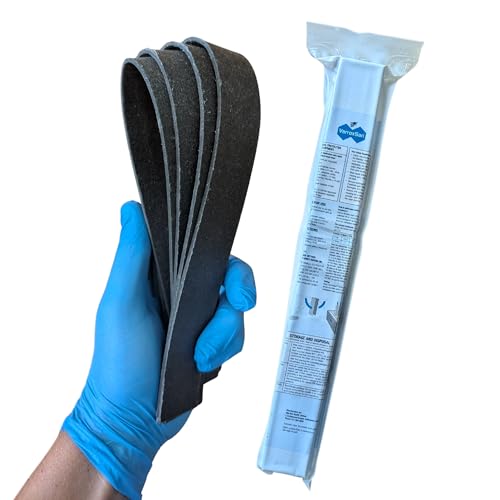
Oxalic acid strips like Varroxsan provide a long-standing, widely adopted approach to mite management. These slow-release strips are available in multiple pack sizes, including 60-strip units suitable for mid-size apiaries. The design emphasizes long-term control over a 6–8 week window without requiring mixing or reapplication. The product is bee-friendly, with the active exam being oxalic acid dihydrate integrated into a cardboard matrix. It is compatible with honey supers and is considered suitable for use in organic beekeeping. For beekeepers monitoring colony strength, this option offers a predictable treatment period with minimal routine disruption.
Best results come from applying during cool, brood-reduced periods or during a brood break, and ensuring proper ventilation to avoid over-accumulation of vapors. As always, follow label directions carefully to maximize safety and effectiveness for your hives.
Mann Lake Formic Pro – 10-Dose Strips

The Formic Pro product line uses formic acid to combat Varroa mites, offering a different mechanism compared to amitraz or thymol-based options. The 10-dose format provides a straightforward, single-application approach. Formic Pro is notable for its extended shelf life and residue-free profile, which can be advantageous for beekeepers aiming to maintain hive productivity without persistent chemical residues. This option can be useful when bees are actively foraging and in environments where other treatments may be less desirable due to climate or colony status.
Beekeepers should consider ambient temperature, hive location, and the presence of brood when selecting Formic Pro. While highly effective, formic acid can stress colonies if not applied within recommended temperature ranges, so adherence to label directions and careful monitoring after application are essential.
Apivar Strips — 12 Pack

This larger 12-pack option provides extended coverage for larger operations or for beekeepers who prefer stockpiling. The formulation uses amitraz in a slow-release matrix, designed to provide substantial mite reductions when applied correctly. Like the 4-pack, it supports year-round use, offering flexibility for colonies that remain active across seasons. The product’s strength lies in its proven track record and compatibility with standard hive management routines, allowing beekeepers to integrate treatment with routine inspections and mite monitoring.
For best outcomes, coordinate treatment timing with mite counts and brood cycles. Ensure you follow the label’s guidance on application duration, hive ventilation, and retreatment intervals to maintain colony health while suppressing mite populations effectively.
Buying Guide: Key Considerations For Mite Management
- Effectiveness and life cycle: Some products target phoretic mites only, while others affect mites within the brood or use fumigant action. Consider your hive’s brood pattern and whether you need a fast knockdown or a sustained suppression over weeks.
- Bee safety and colony stress: Natural products like thymol or plant-based thymol-based gels tend to be gentler, but can still cause stress if misapplied. Synthetic miticides may be very effective but require careful timing to minimize honey contamination risks and brood impact.
- Treatment timing and seasonality: Align treatments with nectar flow, brood cycles, and seasonal temperatures. Some products are best used during brood breaks or cooler periods, while others permit year-round use under certain conditions.
- Residue and honey safety: Residue concerns vary by product. Oxalic acid and formic-based treatments are often chosen for residue considerations, but always verify compatibility with honey harvest plans and organic beekeeping standards where applicable.
- Colony size and management scale: Larger operations may benefit from multi-pack options that reduce handling frequency, while smaller apiaries might prioritize user-friendly, shorter-treatment methods.
- Monitoring integration: Combine mite-control products with consistent mite sampling (e.g., sugar roll, alcohol wash, or sticky boards) to quantify effectiveness and guide retreatment decisions.
- Storage and shelf life: Some strips have extended shelf lives, enabling flexible purchase and storage. Check packaging integrity and storage requirements to prevent compromised efficacy.
- Bee-friendly considerations: If organic or low-chemical management is a priority, natural thymol-based or oxalic acid treatments may be preferable, provided efficacy remains acceptable for your operation.
Selecting the right mite-control strategy involves balancing efficacy, safety, and operational practicality. The products covered here are recognized for their credibility, field performance, and varied modes of action, enabling beekeepers to tailor interventions to their hives and climate. Always follow label directions, perform regular mite monitoring, and adjust plans based on colony vigor and honey production timelines.