This guide highlights five live aquatic options ideal for stocking ponds and outdoor water features. Each entry focuses on species that balance beauty, health, and ease of care, helping you establish a thriving, low-maintenance ecosystem. Use the linked product pages for up-to-date availability and detailed specs.
| Product | Why It’s a Good Fit |
|---|---|
| Toledo Goldfish Comet Feeder Goldfish (100) | Bright, active feeder fish that add color and natural feeding behaviors for pond ecosystems. |
| Toledo Goldfish Rosie Red Minnows (100) | Hardy omnivores with fast reproduction; good for continuing, balanced stocking. |
| Toledo Goldfish Comet Feeder Goldfish (50) | Smaller batch size; suitable for initial stocking or gradual population buildup. |
| Toledo Goldfish Crayfish (100) | Active bottom-dwellers that aerate sediment and provide dynamic pond activity. |
| Critters Direct Live Freshwater Scuds (100) | Small, fast-grade forage that supports a balanced food chain and diversifies habitat. |
Toledo Goldfish Comet Feeder Goldfish – 100 Fish
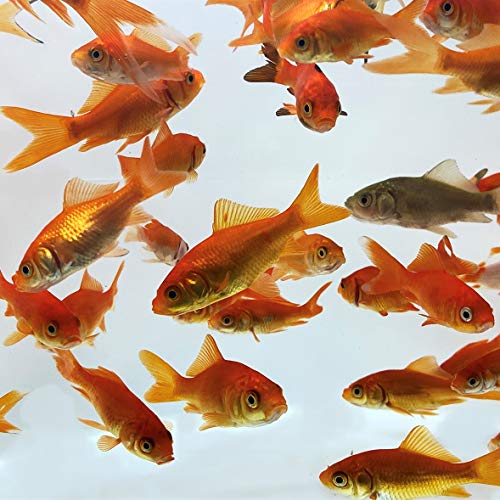
Comet Feeder Goldfish offer enduring appeal with a sleek, comet-shaped silhouette and a natural role as a live food source for other pond inhabitants. These fish enhance visual interest while supporting trophic balance. Toledo Goldfish emphasizes a family-owned, USA-raised approach, with health-certified stock from a trusted farm, aligning with hobbyist expectations for quality and reliability.
Toledo Goldfish Rosie Red Minnows – 100 Count

Rosie Red Minnows are versatile feeder fish known for their pinkish hue and robust health. With an omnivorous diet including zooplankton and small foods, they adapt well to pond environments. Their prolific reproduction can support sustained stocking, especially in temperate climates where reproduction peaks in spring and summer.
Toledo Goldfish Comet Feeder Goldfish – 50 Fish
This smaller batch offers a practical option for initial stocking or controlled population growth. Like the larger group, these Comet feeders bring color, motion, and a natural dynamic to ponds, while remaining aligned with Toledo Goldfish’s domestic, family-farmed standards of care and health assurances.
Toledo Goldfish Crayfish – 100 Count

Live crayfish (crawfish) introduce active crustacean life to ponds, aiding sediment turnover and providing visual interest as they explore rocks and vegetation. They range from 2 to 5 inches and reflect a USA-raised origin from a family-focused farm. Crayfish can help diversify a pond’s habitat structure, though optimal water conditions and shelter are important for survival.
Critters Direct Live Freshwater Scuds – 100

Freshwater scuds offer minute, mobile prey that supports fry and small fish while enriching the pond’s microbial and nutrient dynamics. Critters Direct notes about shipping readiness and temperature considerations, ensuring buyers plan accordingly for local climate and seasonal changes. Scuds breed rapidly and require minimal special care, making them a practical addition to a balanced pond ecosystem.
Buying Guide
Key considerations when stocking a pond with live fish and invertebrates include species compatibility, climate, pond size, and long-term maintenance. Understanding these factors helps maintain water quality, fish health, and ecological balance.
- Stocking goals: Define whether the pond is for ornamental display, natural feeding, or biodiversity. Choose species that align with those goals and each other’s needs.
- Water chemistry and temperature: Test pH, hardness, and temperature range suitable for the chosen species. Some fish and invertebrates tolerate wider ranges, while others need stable conditions.
- Pond size and structure: Larger ponds support more diverse populations and reduce crowding. Include depth changes, plants, and hiding places to reduce stress and promote natural behaviors.
- Diet and feeding: Understand omnivorous or carnivorous needs. Live foods may be complementary to prepared feeds; ensure a balanced diet to avoid water quality issues from uneaten food.
- Reproduction and population control: Some species reproduce rapidly. Plan for potential population growth and consider humane population management or exclusion strategies if needed.
- Health and origin: Source stock from reputable farms with health certifications. Domestic, family-owned farms can offer transparency and quality assurances.
- Holiday and shipping considerations: Temperature-sensitive shipments may require hold-for-pickup arrangements to prevent stress or death during transit.
- Compatibility and safety: Ensure no aggressive species will stress or harm more peaceful pond residents. Provide refuges and ample space to minimize territorial behavior.
- Maintenance plan: Schedule regular water testing, partial water changes, and filter checks. A well-maintained filtration and aeration system supports long-term pond health.
For best results, stagger introductions, monitor fish behavior and feeding response, and adjust stocking density based on observed water quality and koi or pond plant health. Always follow local regulations and supplier guidelines for humane and responsible pond management.