Growers looking to start seeds or nurture fragile seedlings in chilly conditions can rely on soil heating cables. This guide highlights five top-rated cables that maintain soil warmth, promote germination, and support steady plant growth in greenhouses, cold frames, and indoor setups. Each option combines dependable thermostats, durable materials, and safe designs designed for prolonged use.
Summary of Selected Products
| Product | Brand | Length | Thermostat | Key Benefit |
|---|---|---|---|---|
| TAFALAA 100 ft Heating Cable | TAFALAA | 100 ft | Built-in thermostat (131°F/55°C) | Soil warming for seed germination and early growth |
| Adnee 118 Ft Thermostatic Cable | Adnee | 118 ft | Thermostatic control (131°F/55°C) | Uniform heating in greenhouses and cold frames |
| Adnee 59 Ft Thermostatic Cable | Adnee | 59 ft | Thermostatic control (131°F/55°C) | Compact option for small beds and containers |
| Pawfly 26 ft Cable | Pawfly | 26 ft | Built-in thermostat | Reliable warmth in limited spaces and pots |
| TAFALAA 98 Ft Cable | TAFALAA | 98 ft | Thermostat 131°F/55°C | Energy-efficient soil warming for germination |
TAFALAA 100 Ft Heating Cable for Soil

TAFALAA’s 100 ft soil heating cable provides a built-in thermostat that activates at 131°F (55°C). It’s suitable for indoor or outdoor use, with recommended placement 3 to 4 inches beneath soil to warm seed beds and accelerate germination. The 120V system supports flexible layout around pots, shelves, or beds, and its auto-regulation reduces hands-on management.
Adnee 118 Ft Thermostatic Cable
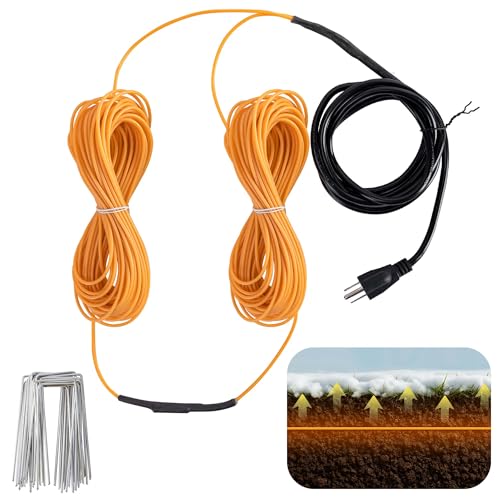
Adnee’s 118-foot cable is designed for gardeners who want broad coverage. The constant temperature setting maintains soil warmth for seed germination and growth, especially in greenhouses, seedbeds, or cold frames. Rubber outer and nickel alloy heating wires deliver uniform heat with a focus on longevity and soil safety. The built-in thermostat auto-regulates, enabling hands-off operation.
Adnee 59 Ft Thermostatic Cable

This 59-foot model offers a compact configuration ideal for smaller greenhouses or individual raised beds. The same thermostatic control keeps soil near the optimal zone for seed germination and seedling growth, reducing temperature fluctuations and helping fewer cold snaps disrupt early plant development. Durable rubber and nickel alloy components contribute to reliable performance over seasons.
Pawfly 26 Ft Cable With Built-In Thermostat

Pawfly’s 26-foot cable is engineered for efficiency in smaller spaces, providing reliable warming with a built-in thermostat that maintains soil temperatures around 95°F for quick germination. It uses nickel-chromium alloy heating wire and dual-layer protection with an ETL-listed plug, supporting safe use in containers, cold frames, and greenhouses.
TAFALAA 98 Ft Cable
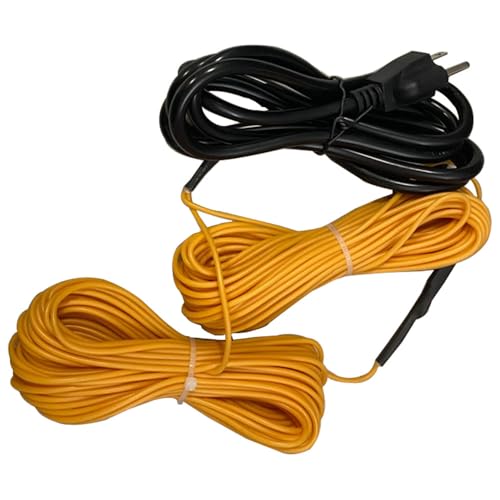
This 98-foot option from TAFALAA combines a carbon-fiber heater cable with a thermostat set to 131°F (55°C). It emphasizes energy efficiency, with a high heat-up rate and easy shaping to fit beds, pots, and shelves. The design aims for long-term resilience against weathering and soil contact while delivering consistent warmth for seedling development.
Buying Guide: Key Purchase Considerations
- Length and coverage: Choose a cable length that matches your bed or pot arrangement. Longer cables provide broader coverage, but ensure your power source and space permit safe installation.
- Thermostat and temperature range: Look for a thermostat that maintains an ideal germination temperature (commonly around 131°F/55°C). A reliable auto-regulation feature reduces monitoring needs.
- Core materials and durability: Rubber outer jackets with nickel or nickel-chromium heating wires tend to resist moisture and soil contact, offering safer, more durable performance.
- Safety and certification: ETL or CSA listings indicate adherence to safety standards. Grounded plugs and proper insulation reduce electrical hazards in damp environments.
- Energy efficiency: Models advertising high heating efficiency limit energy waste. Carbon-fiber elements can offer rapid response with lower energy use, depending on design.
- Installation method: Consider whether the cable will lie under soil, along shelves, or around pots. Flexible cables should be easy to arrange without tangling or damage to roots.
- Depiction of applications: Some cables are designed for greenhouses, cold frames, or indoor seed beds. Match the product to your growing setup and climate.
- Safety in use: Ensure the setup does not pose a fire risk. Avoid covering the cable excessively or placing it near flammable materials.
Across these options, buyers should balance bed size, plant type, and local winter conditions. Thermostatic control is a standout feature, enabling reliable, autonomous warmth without constant supervision. Material quality and protective layers matter for long-term garden use. For urban growers with limited space, compact cables paired with efficient thermostats can deliver significant germination benefits without excessive energy use.