Creating clean, lasting borders around trees helps protect mulch, define planting areas, and reduce yard maintenance. The following edging options are popular for around-tree applications, offering no-dig installation, flexible shaping, and durable materials. Each product is chosen for reliability, ease of use, and suitability for American homes with varying climates.
| Product | Length / Height | Material | Key Benefit |
|---|---|---|---|
| Focefec Landscape Edging 33FT | 33 ft long, 4 in high | HDPE Plastic | No-dig, flexible, includes stakes |
| EasyFlex No-Dig Landscape Edging (2.7 in tall) | 15 ft kit | Plastic | No-dig, straight and curved options |
| EasyFlex No-Dig Landscape Edging (1.5 in tall) | 40 ft kit | Plastic | Durable, versatile, easy installation |
| FunFanso 2-Inch x 33 ft Border | 33 ft long, 2 in high | PE Plastic | Easy to trim, flexible, affordable |
| YANEYRIE Garden Edging 40 ft | 40 ft long, 2 in tall | PE Plastic | DO IT YOURSELF, cut to fit |
Focefec Landscape Edging 33FT

The Focefec edging spans 33 feet with a 4-inch height, providing a substantial barrier that helps keep mulch in place around trees and flower beds. Made from HDPE, it resists bending and cracking, while its flexible design allows curves to follow tree rings or irregular borders. The included 30 stakes help secure the edging, maintaining shape even under foot traffic or light animal intrusion. Installation is straightforward—no digging required—making it suitable for DIY landscaping projects around mature trees.
EasyFlex No-Dig Landscape Edging (2.7 in tall)

This EasyFlex kit emphasizes no-dig installation with a decorative, stone-look profile and a 2.7-inch height. It features a simple, tool-free setup where stakes are driven into the ground to secure the border. The edging is rigid enough for straight runs yet includes the flexibility to curve around trees, forming natural tree rings or rounded borders. It’s designed for quick, DIY installations without trenching, helping protect beds and paths around trees while enhancing yard aesthetics.
EasyFlex No-Dig Landscape Edging (1.5 in tall)

The 1.5-inch tall EasyFlex border provides a low-profile option ideal for narrow planting beds around trees. The no-dig design reduces labor, while the recycled plastic composition delivers durability against seasonal freezes and sun exposure. Spikes clamp the edging into place, supporting long-term stability even in lawn edging scenarios where snow and rain occur. Users can tailor straight sections or curves according to each tree’s canopy, maintaining neat lines with minimal effort.
FunFanso 2-Inch x 33 ft Border

FunFanso offers a 33-foot plastic border with a 2-inch height, designed for quick DIY installations. The edging is easy to cut, bend, and shape to accommodate tree rings or curved borders, making it a versatile choice for around-tree applications. It’s presented as a flexible, durable option suitable for separating lawn areas from planting beds, while its lightweight profile makes handling and transport straightforward for homeowners and weekend landscapers alike.
YANEYRIE Garden Edging 40 ft
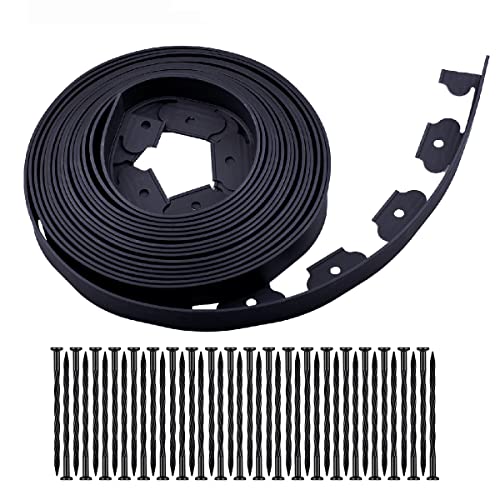
The YANEYRIE edging provides a 40-foot run with a 2-inch height, designed for straightforward DIY installation around trees and garden beds. Made from durable PE plastic, it can be cut to fit specific contours, enabling precise borders around tree circles or irregular plantings. The kit emphasizes easy setup without digging, allowing homeowners to quickly establish neat boundaries while protecting soil and mulch from encroaching grass.
Buying Guide
Choosing the right edging for around trees involves assessing material, height, length, and installation features. Consider these factors to ensure long-term satisfaction and minimal maintenance:
- Material and durability: Plastic (HDPE or PE) edging is common for DIY projects due to flexibility and rust resistance. Metal options offer strength but may require more care to prevent rust or damage near irrigation lines. Wood provides a natural look but can weather and require more upkeep.
- Height and visibility: Taller borders (around 4 inches) create stronger barriers against foot traffic and mulch spillage, while lower profiles (2 inches) blend more subtly with low-growing plantings.
- Installation method: No-dig systems save time and labor, especially around tree roots. Look for included spikes or stakes for stable installation, and confirm that edging can bend around curves to suit tree rings or irregular borders.
- Flexibility vs. stability: Some edgings are rigid enough for straight lines but can be curved; others are highly flexible but may require more anchoring for stability in windy areas or heavy rainfall.
- Cut-to-fit capability: The ability to trim edging to exact lengths ensures precise borders around trees with varying canopy sizes and companion plantings.
- Maintenance and climate suitability: Materials should resist UV degradation, temperature swings, and moisture exposure typical of your region. Galvanized or coated options offer extra rust resistance for metal borders.
- Aesthetics and color: Black and dark tones blend with most landscapes, while decorative options (stone-look, wood tones) can enhance curb appeal around trees and beds.
- _cost vs. value: Balance upfront costs with expected lifespan and maintenance needs. Durable no-dig options may deliver better long-term value by reducing labor time and soil disturbance.