Maintaining a healthy lawn often starts with proper dethatching, especially when using a zero-turn mower. A tow-behind dethatcher can save time and reduce labor while improving soil aeration and nutrient penetration. Below is a curated guide to five top-performing dethatchers designed to work with zero-turn and other riding mowers, highlighting their width, tine construction, and practical benefits for American lawns.
| Product | Brand | Working Width | Notable Tine Features |
|---|---|---|---|
| Agri-Fab 45-0295 48in Tow Behind Lawn Dethatcher | Agri-Fab | 48 inches | 24 durable spring steel tines; designed to pull behind tractors; Uproots dead thatch and dislodges hard-packed dirt |
| Agri-Fab 45-0294 40in Tow Behind Lawn Dethatcher | Agri-Fab | 40 inches | 20 durable spring steel tines; pulls behind lawn and garden tractors; effectively removes thatch in a 40-inch swath |
| Suchtale 40inch Tow Behind Dethatcher with 20 Spring Steel Tines | Suchtale | 40 inches | 20 rust-proof, heat-treated, replaceable tines; wheels reduce lawn interference; heavy-duty frame |
| BlumeTrec 40 Inch Tow Behind Dethatcher | BlumeTrec | 40 inches | 20 heat-treated rust-proof tines; wide coverage; ballast tray for deeper penetration |
| Suchtale 48inch Tow Behind Dethatcher with 24 Spring Steel Tines | Suchtale | 48 inches | 24 spring tines; dual-row design for maximum thatch removal; sturdy steel frame |
Notes: Prices vary by retailer and season. Always verify compatibility with your specific zero-turn mower model and hitch type before purchasing. The following sections detail each option, helping you choose the right dethatcher for your lawn size, soil conditions, and maintenance goals.
Agri-Fab 45-0295 48in Tow Behind Dethatcher
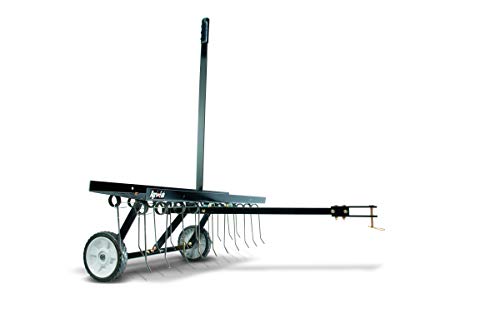
The Agri-Fab 45-0295 is a wide 48-inch dethatcher built to pull behind riding and lawn tractors. It uses 24 durable spring steel tines designed to uproot dead thatch and dislodge hard-packed dirt, enabling better air and water infiltration. The wider swath speeds up large-yard dethatching while maintaining control behind the mower. The unit is USA-made and emphasizes sturdy construction for frequent use on medium to large lawns.
Agri-Fab 45-0294 40in Tow Behind Dethatcher
The Agri-Fab 45-0294 delivers a 40-inch working width with 20 spring steel tines. It’s designed specifically to be towed behind lawn and garden tractors, making it suitable for mid-sized yards. This model focuses on effective thatch removal with a balance of maneuverability and performance, penetrating and turning up thatch, dried grass, weeds, and soil within its swath for healthier lawn renewal.
Suchtale 40inch Tow Behind Dethatcher

Suchtale’s 40-inch tow-behind dethatcher uses 20 spring steel tines to lift thatch and dislodge compacted soil. It features rust-proof, heat-treated tines that stay flexible and durable, a wheel system to minimize lawn interference, and a ballast-ready steel frame. The design emphasizes simple hitch attachment and easy operation, making it suitable for larger lawns where efficiency matters. Regular cleaning after use helps sustain long-term performance.
BlumeTrec 40 Inch Tow Behind Dethatcher

BlumeTrec offers a 40-inch dethatcher with 20 heat-treated, rust-proof spring tines. Its wide working width is especially beneficial for large yards, reducing the number of passes required. The unit includes a ballast tray for deeper penetration and supports universal hitching to riding mowers, tractors, ATVs, or UTVs. Assembly is straightforward, and the two-row tine arrangement helps loosen thatch and debris efficiently.
Suchtale 48inch Tow Behind Dethatcher

This Suchtale model extends to 48 inches and uses 24 spring steel tines arranged in two rows for thorough thatch removal. The heavy-duty steel frame provides stability during towing, and the rust-proof tines are heat-treated for durability. The design aims to maximize ground coverage, promote lawn breathing, and support deep dethatching in one or two passes, depending on lawn conditions.
Buying Guide: Key Purchase Considerations
Choosing the right dethatcher for a zero-turn mower involves balancing lawn size, soil condition, and equipment compatibility. Consider the following factors to compare options effectively:
- Working width: Wider dethatchers cover more ground per pass but require sufficient mower clearance and stability. For large lawns, 40–48 inches is common, while smaller properties may benefit from 30–40 inches.
- Tine composition and arrangement: Spring steel tines are standard and durable. Two-row configurations often deliver better thatch penetration and more even results than a single row.
- Attachment compatibility: Verify hitch type (universal pin, etc.) and whether the dethatcher can attach to your zero-turn or riding mower’s hitch system without modification.
- Weight and ballast: Some models include ballast trays to increase tine penetration on tough thatch. Heavier units may require stronger hitch support and careful handling on slopes.
- Durability and weather resistance: Rust-proof and heat-treated tines extend lifespan. Look for powder-coated frames and replaceable tines for long-term use.
- Maintenance: After-use cleanup reduces soil buildup and extends tine life. Consider models that are easy to assemble and disassemble for storage.
- Seasonality and lawn health: Fall dethatching often improves water and nutrient penetration for spring recovery, but some lawns benefit from spring dethatching after initial growth.
- Price-to-performance balance: While price is a factor, prioritize tines, width, and build quality to maximize long-term value and minimize maintenance.
In practice, for large yards with dense thatch, a 48-inch dethatcher with 24 tines and a robust ballast system can dramatically reduce mowing time and improve turf health. For moderate lawns, a 40-inch model with 20 tines provides solid performance with easier maneuverability on standard zero-turns. Always follow manufacturer guidelines for towing speed, depth, and maintenance to protect your lawn and equipment.