Choosing compostable pots for starting seeds helps reduce plastic waste while supporting healthier root development. This guide highlights five top biodegradable options, detailing design features like drainage holes, materials, and included labels. Each product is suitable for seeds, seedlings, and transplanting into the garden or containers. Read on to compare sizes, biodegradability, and usefulness for herbs, vegetables, and ornamentals.
| Product | Size | Materials | Special Features |
|---|---|---|---|
| Jolliance 4” Peat Pots | 4 inches | Pulp-based, biodegradable | 60 pots + 60 labels; drainage holes |
| JNYONG 3.15” Pots | 3.15 inches | Pulp-based, biodegradable | 60 pots + 50 labels; 4 drainage holes |
| Jiffy 5″ Seed Pots | 5 inches | Biodegradable peat | Reduces transplant shock; includes tray use |
| ANGTUO 4.33″ Pots | 4.33 inches | Biodegradable peat | Includes 20 labels; breathable, with drainage |
| DESKEMAI 12 Pots | 12 pots | Biodegradable material; peat | Drain holes; versatile seed starting |
Introduction to the selected products. Each option provides an eco-friendly alternative to plastic starter pots, with materials designed to break down in soil and support healthy root growth. The table above summarizes core specs to help you compare quickly and choose products that fit your gardening needs and space constraints.
Jolliance 4” Peat Pots With Labels
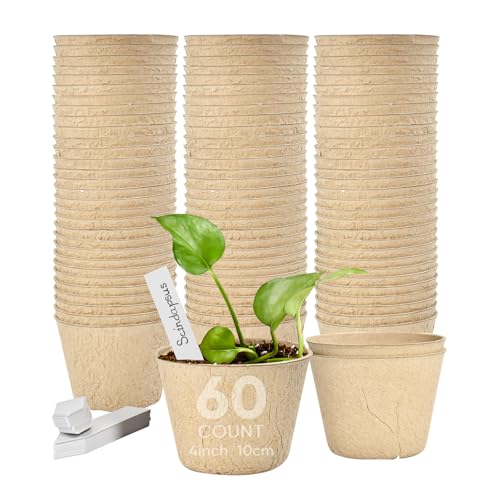
Features: Pack of 60 planting pots with 60 plant labels. Each pot is 4 inches in diameter, ideal for starting a variety of plants. Made from recycled pulp with binding agents, these biodegradable pots breathe like clay to support root systems and decompose in soil to nourish plants. Drainage holes support proper water movement. Suitable for starting flowers, herbs, and vegetables.
JNYONG 60 Packs 3.15″ Peat Pots

Features: 60 peat pots at 3.15 inches, with 50 plant labels. Contains 4 bottom drain holes to promote drainage and airflow. 100% biodegradable materials molded from recycled pulp and plant fibers that biodegrade when planted, returning nutrients to the soil. Suitable for starting flowers, herbs, and vegetables with labels for seed tracking.
Jiffy Organic Seed Starting 5″ Pots

Features: Five-inch pots designed for seed starting. Ready to use with a suitable seed starting mix; pots saturate thoroughly before sowing. Plants can be transplanted directly into the ground without removing from pots, reducing transplant shock. Ideal for larger seedlings requiring extra root space and robust growth potential.
3T GROUP 50 Pcs 3 Inch Pots

Features: 50 small pots at around 3.15 inches with 25 plant tags. Made from pulp and plant fibers; 100% natural and biodegradable. Pots are designed for easy planting and root penetration, enabling seedlings to transition to soil with minimal disturbance. Includes labels for seed tracking and organization.
ANGTUO 30 Pcs 4.33″ Pots

Features: 30 peat pots in a 4.33-inch size with 20 labels included. Fully natural and biodegradable, designed to support healthy seedlings through breathable walls and drainage holes. Suitable for a variety of plants, including flowers, herbs, vegetables, and strawberries, making them versatile for home gardens and nurseries.
DESKEMAI Peat Pots 12-Pack

Features: 12-pack of peat pots with drainage holes. Biodegradable material designed to break down directly in soil, enabling easy transplanting without disturbing roots. Suitable for starting seeds and transplanting into gardens or containers, with broad compatibility for vegetables, fruits, and herbs.
Buying Guide: Key Purchase Considerations
- Biodegradation rate: Look for pots made from peat, recycled pulp, and plant fibers labeled as compostable. Faster breakdown helps seedlings transition to soil while avoiding root disturbance.
- Drainage: Pots with drainage holes prevent waterlogged roots. Consider whether your setup includes a tray or saucer for excess moisture management.
- Size and growth stage: Match pot size to the plant type and expected transplant time. Larger pots (5 inches) support bigger seedlings; smaller options work for herbs and many annuals.
- Included labeling: Labels help track sow dates and species. If labels are included, ensure they are durable and easy to write on.
- Usage and disposal: Some pots are designed for direct planting in soil, while others may require a separate transplanting step. Verify compatibility with your soil and garden plan.
- Availability and packaging: Bulk packs reduce waste and cost per pot. Choose a brand with consistent supply to avoid mid-season shortages.
- Environment and composting: Check for certifications or explicit statements about compostability in home or industrial composting facilities to align with your sustainability goals.
For gardeners seeking an eco-friendly seed-starting solution, these compostable pots offer practical options across sizes, labels, and drainage configurations. Selecting the right combination depends on space, plant types, and how you plan to transplant seedlings into soil.