Gardening thrives on nutrient-rich soil, and a reliable compost box is the easiest way to recycle yard waste and kitchen scraps into fertile soil. The following selections focus on garden-friendly designs with capacity, aeration, and durability in mind. Each option offers unique benefits—from tumbling rotation to large-volume capacity—so you can choose the best fit for your space and composting pace.
| Product | Capacity | Key Benefit |
|---|---|---|
| F2C Garden Compost Bin | 80 gallons (300 L) | Large, BPA-free, excellent aeration |
| VIVOSUN Outdoor Tumbling Composter | 43 gallons | 360° rotation for easy turning |
| Outsunny Garden Compost Bin | 80 gallons | Twelve air vents for strong airflow |
| JupiterForce Garden Compost Bin | 80 gallons | BPA-free and all-weather design |
| GEOBIN Compost Bin | 246 gallons | Expandable large capacity, USA-made |
F2C Garden Compost Bin From BPA Free Material
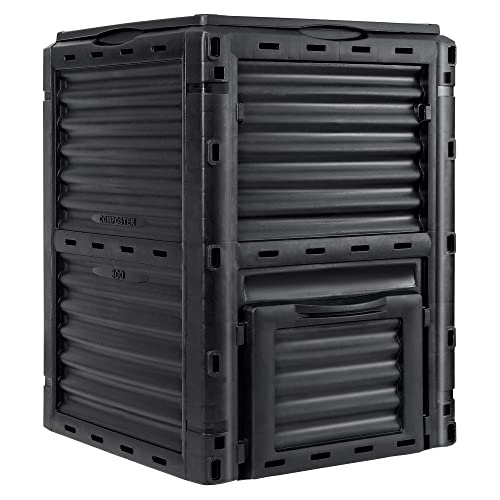
The F2C compost bin uses BPA-free material and a large capacity to reduce handling frequency. Its black PP plastic helps retain heat and regulate moisture, potentially shortening composting time. Aeration is a highlight, with 80 vents and deep fins to promote rapid decomposition without heavy manual mixing. A practical choice for yards with ample waste and a need for quicker soil enrichment.
VIVOSUN Outdoor Tumbling Composter Dual Rotating

This dual-chamber tumbling design enables continuous production: one side finishes while the other accepts new material. The 360° rotation and eight-panel fins simplify turning, which reduces labor. Adequate aeration is provided by air vents that promote air flow and prevent buildup of gases, supporting consistent composting cycles.
Outsunny Garden Compost Bin 80 Gallon

Outsunny offers a large-capacity bin with 12 air vents per side to maximize airflow and improve fermentation. Its straightforward assembly and sizable 80-gallon capacity help homeowners process kitchen and yard waste efficiently. The design emphasizes steady circulation to ensure timely composting, typically several weeks to a couple of months depending on inputs.
JupiterForce Garden Compost Bin 80 Gallon
This BPA-free model prioritizes all-weather durability and a generous 80-gallon capacity. Its ventilation-focused design promotes oxygen uptake and faster decomposition, making it a practical option for year-round composting. The lightweight construction aids portability and setup in gardens with limited space.
GEOBIN Compost Bin – 246 Gallon
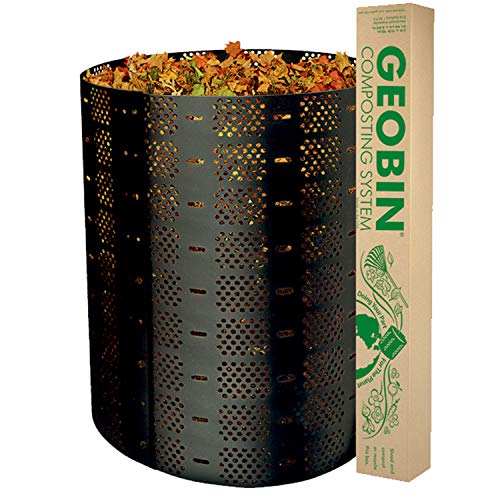
Geobin expands up to 246 gallons, offering substantial capacity for larger gardens or households with significant waste. Made in the USA, this bin emphasizes maximum ventilation to accelerate decomposition. Its expandable feature makes it adaptable to changing composting needs without purchasing a new unit.
Buying Guide: Key Considerations For Choosing A Garden Compost Box
Capacity and space: Choose a unit that fits your yard size and anticipated waste volume. Larger bins reduce frequency but require more space. Consider whether you need a portable unit for seasonal use or a fixed installation.
Ventilation and aeration: Effective airflow speeds composting and reduces odor. Look for bins with multiple vents and fins, or a tumbling mechanism that enhances mixing without manual labor.
Material safety and durability: BPA-free plastics are common and durable, but consider weather resistance for colder climates. Cold-weather performance matters if you garden in winter months.
Ease of use: Features like dual chambers, tumblers, or easy-to-remove lids affect daily handling. A simple assembly process saves setup time and reduces frustration.
Maintenance needs: Some designs require turning or mixing—decide if you prefer a hands-on approach or a tumbler that does most of the work. Cleaning and accessibility are also important for long-term use.
Inputs and processing time: Kitchenoise and yard waste types influence processing speed. A well-balanced mix of greens and browns typically yields better results in 4–12 weeks, depending on aeration and temperature.
Budget and scalability: Start with a reasonable size, then upgrade as your composting needs grow. Expandable units can offer a path to higher capacity without a complete replacement.