Termite control relies on proactive monitoring and targeted treatment. The following bait stations and monitoring systems are designed to detect termite activity early and, in many cases, provide a pathway to effective control. This guide summarizes five top options, highlighting how each fits into a broader termite prevention strategy for American homes.
| Product | Brand | Type | Purpose |
|---|---|---|---|
| Spectracide Terminate Termite Detection & Killing Stakes | Spectracide | Detection & Killing Stakes | Detect activity; kill foraging termites |
| Advance Termite Bait Monitoring Stations (TBS) Ten Stations | BASF | Bait Monitoring Stations | Detection first; optional future baiting |
| Spectracide Terminate Termite Detection & Killing Stakes2 | Spectracide | Replacement Stakes | Replace existing stakes; detects activity |
| Advance Termite Bait System Kit Whitmire Micro-Gen | Whitmire Micro-Gen | Bait System Kit | Terminal baiting solution with guidance on licensing |
| Pestoptek 6 Pack Termite Monitoring Bait Stations | Pestoptek | Monitoring Stations | Detect activity; no termiticide included |
The following sections profile five products most relevant to “bait station for termites,” showing how each can fit into a proactive termite management plan. Each entry includes a concise overview, installation notes, and how its features align with typical American-home scenarios.
Spectracide Terminate Detection & Killing Stakes
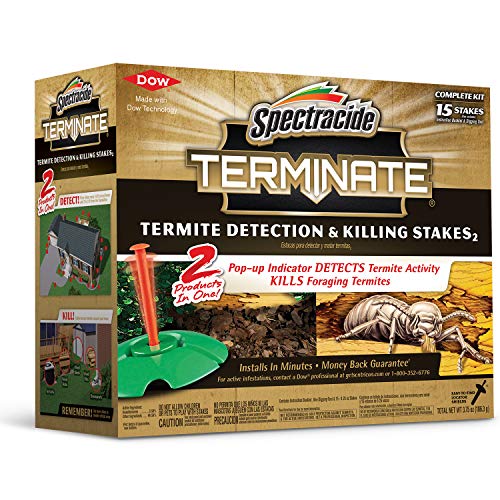
Two termite products converge in one stake system: a pop-up indicator reveals termite activity, while the stake itself kills foraging termites. Installation is straightforward—place stakes 2 to 3 feet from the home, keeping stations no more than 10 feet apart. The pop-up indicator helps homeowners confirm activity without excavating soil. This system is designed for quick setup in yards and around foundations, enabling rapid response when activity is detected.
Advance Termite Bait Monitoring Stations (TBS) Ten Stations
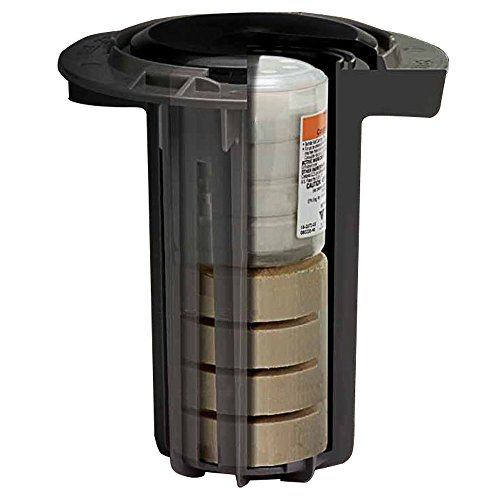
This kit includes ten TBS stations, ten wood monitor blocks, and monitoring cartridges. It functions primarily as a detection tool, not a termiticide setup. The kit is ideal for early detection—homeowners can identify termite presence before committing to treatment. When activity is detected, users can transition to a dedicated termiticide cartridge system (such as Trelona) designed to work with these stations, aligning with integrated pest management approaches.
Spectracide Terminate Replacement Stakes & Stakes2

This listing covers replacement stakes with pop-up indicators, designed to replace existing stakes in the Terminate Termite Detection & Killing Stakes2 complete kit. The dual-function concept persists: indicators signal activity, while the stakes work to reduce foraging termites. Designed for compatibility with initial stake systems, the replacement stakes aim to extend monitoring coverage around foundations and outdoor structures.
Advance Termite Bait System Kit Whitmire Micro-Gen

This kit provides a broader baiting framework, including multiple bait stations and Cartridges. The description notes regulatory considerations and purchaser responsibilities regarding licenses or permits for use, which varies by state. The kit is positioned for users seeking a prepackaged monitoring-to-bait transition path, with guidance on local compliance as termites are detected and treated.
Spectracide Terminate Termite And Carpenter Ant Killer

Although primarily positioned as a broader insecticide, this product covers termites and carpenter ants indoors and around structures. It offers long-term residual control indoors (up to nine months) and also helps address wood-destroying insects on contact. It complements monitoring stations by providing a practical external- and indoor-treatment option when established activity points to infestation risk near foundations or structural wood.
Pestoptek Termite Monitoring Bait Stations

This six-pack focuses on monitoring without including termiticide. It emphasizes a modular, user-friendly base-and-shell assembly with wood blocks for monitoring. The stations are compatible with attractants like Trelona or Advance products, offering a clear path for detection before moving to treatment. The kit suits homeowners seeking to map termite activity and plan targeted interventions later in the season.
Buying Guide
Key purchase considerations
- Detection vs. treatment emphasis: Determine whether your priority is early detection, ongoing monitoring, or active treatment. Some systems emphasize pop-up indicators and monitoring blocks, while others pair monitoring with readily deployable baits or kill-active stakes.
- Site coverage: Evaluate your property’s layout. For larger yards, a higher number of stations ensures uniform coverage around the foundation, decks, and landscaping. Consider spacing recommendations (often 2-3 feet from the home and no more than 10 feet apart).
- Compatibility and transitions: Some bait systems are designed to detect termites first and then transition to a targeted bait or termiticide. Confirm compatibility of stations with any future treatment plan or brand cartridges (e.g., Trelona).
- Regulatory considerations: Certain bait systems include guidance about local licensing or permit requirements. Verify state and local rules before purchasing or deploying.
- Indoor vs. outdoor use: Many products are suitable for exterior applications around foundations; some also address indoor infestation in attics, basements, or crawl spaces. Match product scope to your home’s architecture.
- Non-chemical monitoring options: If avoiding termiticide is preferred, focus on pure monitoring stations with wood blocks to observe activity without exposure to pesticides.
- Replacement and maintenance: Some kits offer replacement stakes or components. Plan for ongoing maintenance and future replacements to sustain effective monitoring.
In practice, a layered approach often yields the best outcomes: start with monitoring to confirm termite presence, then transition to targeted baiting or treatment while continuing to monitor for re-infestation. Consumers should also coordinate with licensed pest-control professionals when transitioning from detection to active control, especially in areas with severe termite pressure.