Aphids can quickly sap vigor from plants, but choosing the right aphid killer helps protect crops, ornamentals, and houseplants alike. This article reviews top ready-to-use sprays and concentrates ideal for treating aphids and other soft-bodied pests. Each product is evaluated for applicability to indoor and outdoor gardening, safety on edibles, and ease of use. Use the buying guide below to compare coverage, compatibility, and application guidelines before you buy.
Summary of the selected products:
- Garden Safe 32 oz Insecticidal Soap Ready-to-Use
- Bonide Insecticidal Soap Ready-to-Use Spray
- Sevin Insect Killer Ready to Use 1 Gallon
- Safer Insect Killing Soap Concentrate
- Neem Oil Spray for Plants with Peppermint Oil
Best Ready-To-Use Insecticidal Soaps For Aphids

The Garden Safe ready-to-use insecticidal soap provides direct-contact control for aphids and other soft-bodied pests. No mixing is required; simply spray thoroughly on all plant parts, including the undersides of leaves. This formulation is suitable for organic gardening and can be used indoors, outdoors, or in greenhouses on vegetables, fruit trees, ornamentals, shrubs, and flowers. It is effective up to the day of harvest on edible crops when used as directed. This product is ideal for hobby gardens and container plants that need a quick, non-toxic intervention against aphids.
Bonide Insecticidal Soap For Organic Gardens
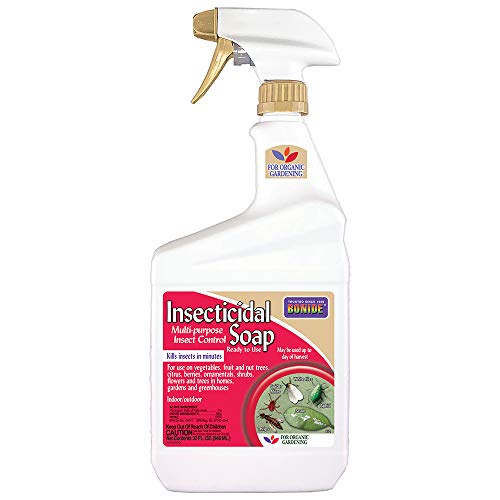
Bonide’s insecticidal soap is a versatile option for outdoor residential gardens and greenhouses. It targets aphids, adelgids, mites, caterpillars, and more through direct contact and ingestion. The spray is designed for many edible and ornamental crops, including artichokes, berries, herbs, and citrus. Use it when pests are visible and consider applying to the leaf surfaces the insects feed on for best results. This product emphasizes broad-spectrum, contact-based control suitable for regular garden maintenance and integrated pest management strategies.
Sevin Ready-To-Use Insect Killer

Sevin offers a broad-spectrum, ready-to-use solution that can protect roses, edibles, and ornamentals from more than 700 listed pests. The formulation is designed to kill on contact, with strong performance across a wide range of insects. While marketed as a quick solution for established infestations, it is important to follow label directions to minimize impact on beneficial insects and to avoid harming sensitive plants. This option is well-suited for homeowners seeking a single-product approach to pest challenges across multiple plant types.
Safer Insect Killing Soap Concentrate
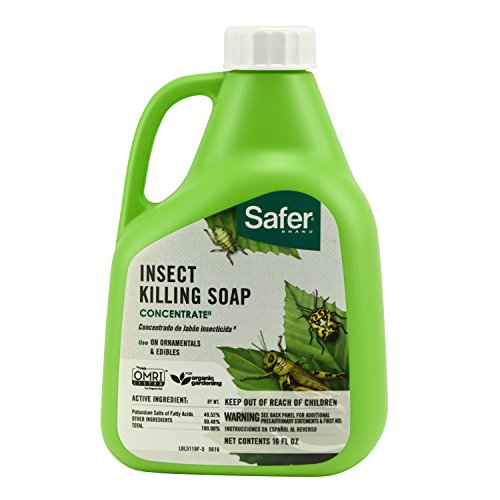
Safer’s insecticidal soap concentrate provides a flexible option for gardeners who prefer mixing their own solution. It targets a broad array of soft-bodied pests, including aphids, whiteflies, thrips, and spider mites. The product is OMRI Listed for organic use, making it suitable for organic gardens, houseplants, and edible crops when used according to the label. Regular applications every 5-7 days help maintain control while plants are actively infested, and it can be used up to the day of harvest for many crops.
Neem Oil Spray With Peppermint For Plants

Neem oil sprays offer a botanical approach to aphids and various pests by disrupting feeding and development. This product combines neem oil with peppermint oil for added plant-care benefits. It is suitable for both indoor and outdoor use and supports broader pest suppression without harsh synthetic chemicals. The ready-to-use format makes it convenient for quick spot treatments or regular preventive spraying, depending on plant sensitivity and pest pressures.
BioAdvanced 3-in-1 For Plant Health

BioAdvanced 3-in-1 offers a combination of insecticidal, fungicidal, and miticidal actions. This product is designed to combat aphids and a variety of pests while also protecting plants from common diseases such as black spot and powdery mildew. It is positioned as a comprehensive solution for gardeners facing multiple threats, providing a broad spectrum of protection with a single product. Follow label directions for application timing and crop safety to maximize effectiveness.
Buying Guide: Key Purchase Considerations
- Target pests: Most products specifically address aphids, but some offer broader insect control or additional disease protection. Choose a product that matches your pest profile and crop type.
- Application method: Ready-to-use sprays are convenient for quick spot treatment, while concentrates require mixing but can offer more economical coverage. Consider your comfort with mixing and spray equipment.
- Safety and organic options: If you garden with edible crops or prefer organic methods, look for OMRI-listed products or formulations labeled suitable for organic gardening. Indoor use considerations are important for households with pets or children.
- Crop sensitivity: Some plants respond differently to sprays, especially sensitive ornamentals or herbs. Always test a small area or follow label precautions for delicate species.
- Harvest timing: For products labeled to be safe up to the day of harvest, plan applications accordingly to maintain safety and efficacy without impacting harvest schedules.
- Environment and beneficial insects: Consider the impact on pollinators and natural predators. Use spot treatments when possible and follow label guidelines to minimize disruption of beneficial insects.
- Frequency of use: Regular preventive sprays can help maintain control, but high-frequency applications may require rotation of products to prevent resistance and to protect plant health.
When selecting an aphid killer, compare the product’s pest spectrum, application flexibility, organic status, and crop compatibility. For best results, integrate these products into a broader pest management plan that includes monitoring, mechanical controls (like water sprays and pruning), and promoting beneficial insects where appropriate.